
Folding walls (also known as foldable walls or operable partitions) are more than just space dividers in modern interior design. They have became a multifunctional design element which can define, connect, and transform our living and working spaces. With endless combinations of finishes, colors, and materials, folding walls offer design versatility, seamlessly integrating into any design style or standing out as the visual focal point of a space. We will delve into the infinite possibilities of folding walls in terms of finishes, colors, and materials, providing you with inspiration for creating your ideal space.
1.Finish Options and Aesthetics
Finish is the first impression of a folding wall gives, directly influencing the aesthetics and tactile feel of the space. Designers use different finishes to give folding walls unique styles and functional characteristics:
Finish Options
- Vinyl wall covering.
- Woven fabrics.
- Leathers.
- Ribbed wall carpeting.
- Wood veneers.
- Plastic laminates.
- Customer’s Own Material.
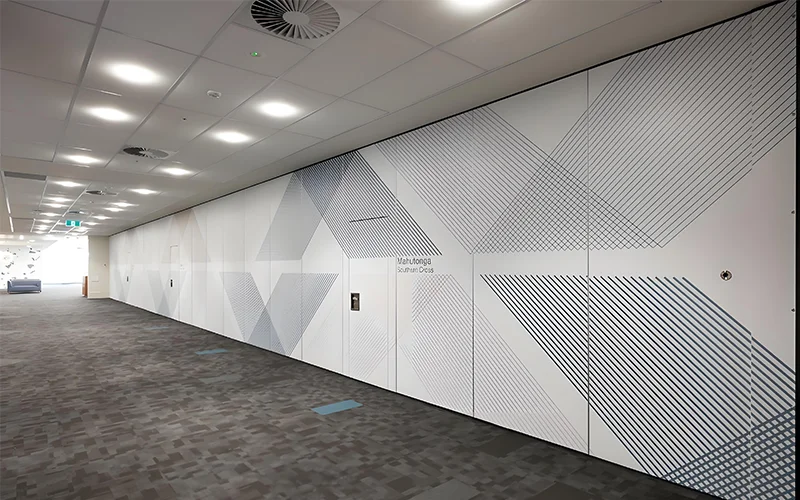
- Custom patterns and digital printing
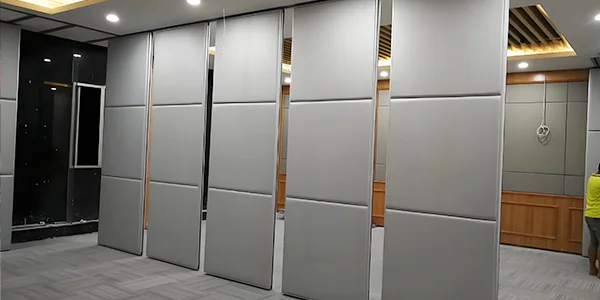
SKIN OPTIONS
- Steel skins available 21-gage.
- Genuine wood veneer MDF.
- NAUF MDF board.
- Stainless steel board.
- Aluminum board.
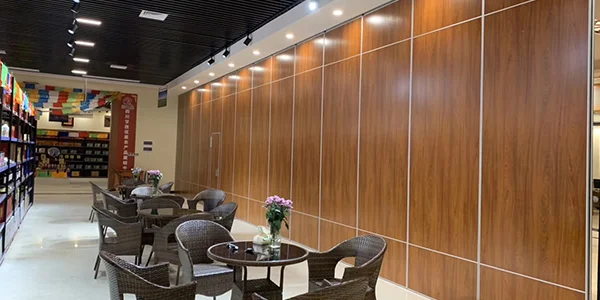
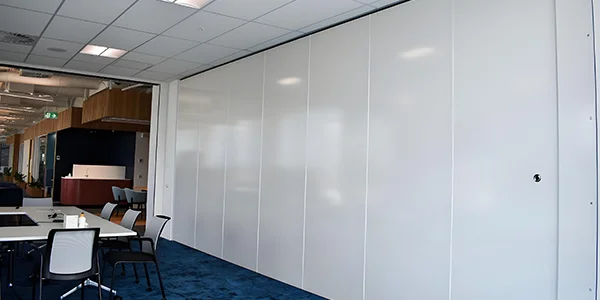
SKIN TREATMENTS
- Perforated steel skins.
- Resilient padding.
- Full-height marker boards.
- Partial-height marker boards.
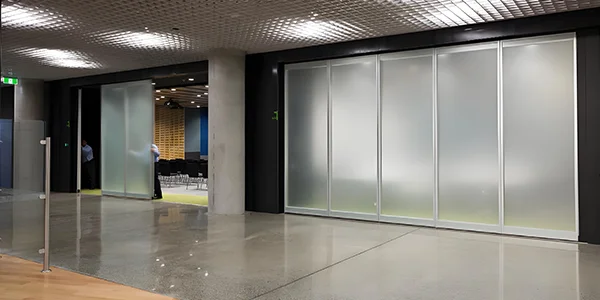
Glass Finishes
- Framed or Frameless.
- Tempered Glass.
- Laminated Glass.
- Frosted Glass.
- Art glass.
- Mirrored glass.
- Smart Glass
2.Color: The Master of Visual Language and Spatial Emotion
Choosing the right color is the key for foldable wall design. As it can influence people’s perception of space dimensions, temperature, and mood.
- Blending in and Concealing: Choosing the same color as the surrounding walls or neutral tones (such as white, beige, and light gray) help the foldable wall to be perfectly hidden when closed and unobtrusive when open, maximizing the unity and simplicity of the space.
- Contrast and Emphasis: A bold, colorful folding wall (such as deep blue, vibrant green, or passionate terracotta red) can immediately become a visual anchor in a space. It can be used to emphasize an area or inject energy and personality into a neutral-toned space.
- Creating Depth and Expansion: Light colors (especially white and light gray) reflect light, making small spaces appear more open. Dark colors, on the other hand, can increase the drama and sense of enclosure of a space, creating an intimate and focused atmosphere.
- Coordination and Connection: Choosing an existing accent color in the space as the color of the folding wall can create a harmonious color rhythm, visually connecting different functional areas and forming a cohesive design.
3.Materials: The Cornerstone of Performance and Sustainability
Materials form the physical core of a folding wall, determining its durability, weight, sound insulation, and environmental properties.
Structural Materials:
- Aluminum Alloy Frame: Lightweight, high-strength, and corrosion-resistant, it’s the most commonly used frame material for modern foldable walls, suitable for large and frequently used partitions.
Face Materials:
- Honeycomb Board: Lightweight and high-strength, with excellent sound and heat insulation functions, it’s a common choice for high-end foldable walls.
- MDF/Particle Board: Economical and practical, with a smooth surface, easy to apply various finishing materials, suitable for most conventional environments.
- Gypsum Board: Lightweight, easy to process, providing sound and thermal insulation, and offering excellent decorative compatibility, it is also cost-effective.
Acoustics Materials:
- Sound insulation cotton: Divided into glass wool, rock wool, and polyester fiber sound insulation cotton, etc., it is characterized by its lightweight, good sound absorption, and low cost.
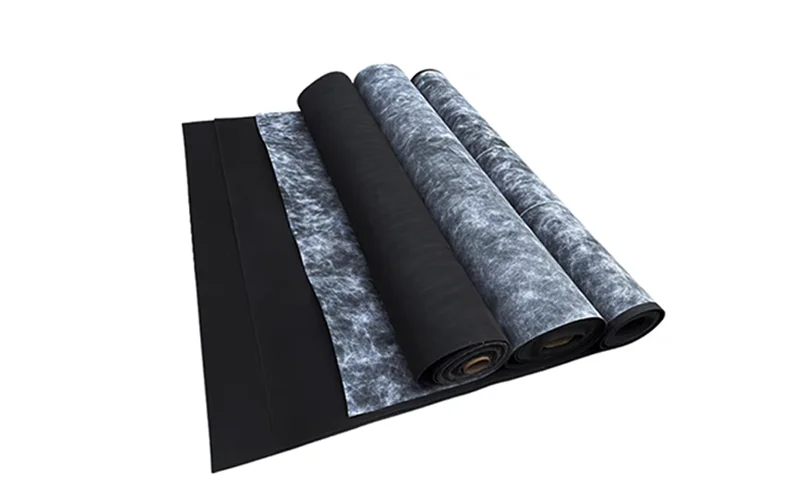
- Acoustic felt (damping sound insulation pad): A high-density flexible roll material that can be bonded to panels to enhance sound insulation. It has moisture-proof and aging-resistant properties.
- Steel plate(0.5-1.5mm): Its extremely high surface density effectively blocks sound wave propagation, especially effective against low-frequency noise that is difficult to block, and it achieves excellent sound insulation performance with a relatively thin thickness.
- Insulated glass: Sound waves are blocked through the hollow layer between two or more panes of glass. Used in conjunction with sealing strips, it combines sound insulation with light transmission.
Cutting-edge and Sustainable Materials:
- Recycled Materials: Panels made from recycled wood, recycled metal, or environmentally friendly composite boards respond to sustainable design trends.
- Innovative Composite Materials: Such as self-cleaning coated panels and color-changing e-ink integrated panels, representing the future technological direction of foldable walls.
4.Tips for Design and Usage
When using folding walls, remember that unless otherwise specified, wall finishes are visible from both sides and must harmonize with the surrounding architectural style whether the wall is open or closed.
- Coordinate stacking pockets: Ensure the wall covering of stacking pockets (the storage area when panels are open) matches the aesthetic style of adjacent fixed walls. This prevents the storage area from becoming an unsightly visual distraction.
- Define the wall’s function: Determine whether the folding wall should blend into its surroundings (using colors and materials matching fixed walls) or stand out (using contrasting wood finishes or bold patterns).
- Prioritize Durability in High-Traffic Areas: For heavily used zones, select robust materials like vinyl or durable HPL to minimize long-term maintenance costs and keep partitions looking pristine for years.
Folding partitions serve as powerful design elements. By thoughtfully selecting finishes and materials, you can transform functional dividers into indispensable, stylish features within your architecture.